SERVICES
DESCRIPTION
At MEPAR, we transform technical complexity into precise results through high-performance operational management. Our effectiveness is based on the integration of cutting-edge technologies and advanced manufacturing processes that guarantee the timely delivery of highly complex metal structures. With a focus on continuous improvement and regulatory rigor, we optimize each stage of the project to maximize durability, structural safety, and the profitability of our clients’ investments across all sectors.
Learn about our services
ELECTROSTATIC PAINTING
General description
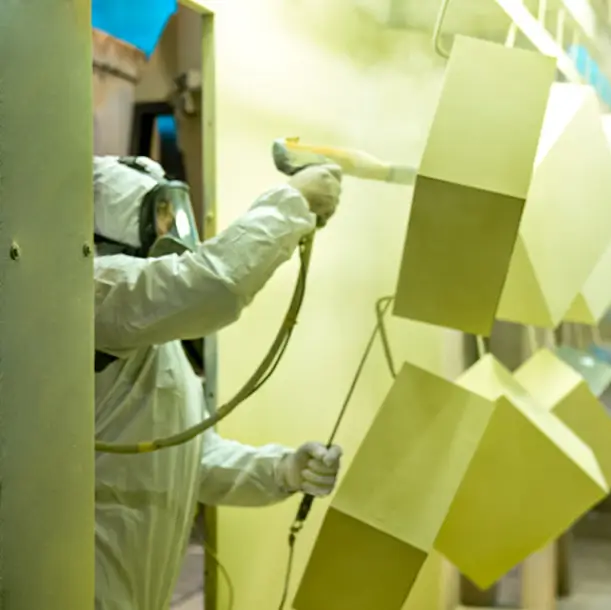
The base material or element to be painted is cleaned to remove any slag or impurities. Once clean, they are transferred to the paint booth where they are covered with electrostatic paint particles and then cured in an oven so that the paint forms a uniform layer covering the entire surface of the element.
Service details
Electrostatic painting is environmentally friendly because it does not contain solvents or emit volatile organic compounds, making it a greener and safer option compared to traditional liquid paints. In addition, its high application efficiency minimizes material waste, as paint that does not adhere can be collected and reused, reducing the overall environmental impact of the process.
LASER CUTTING
General description
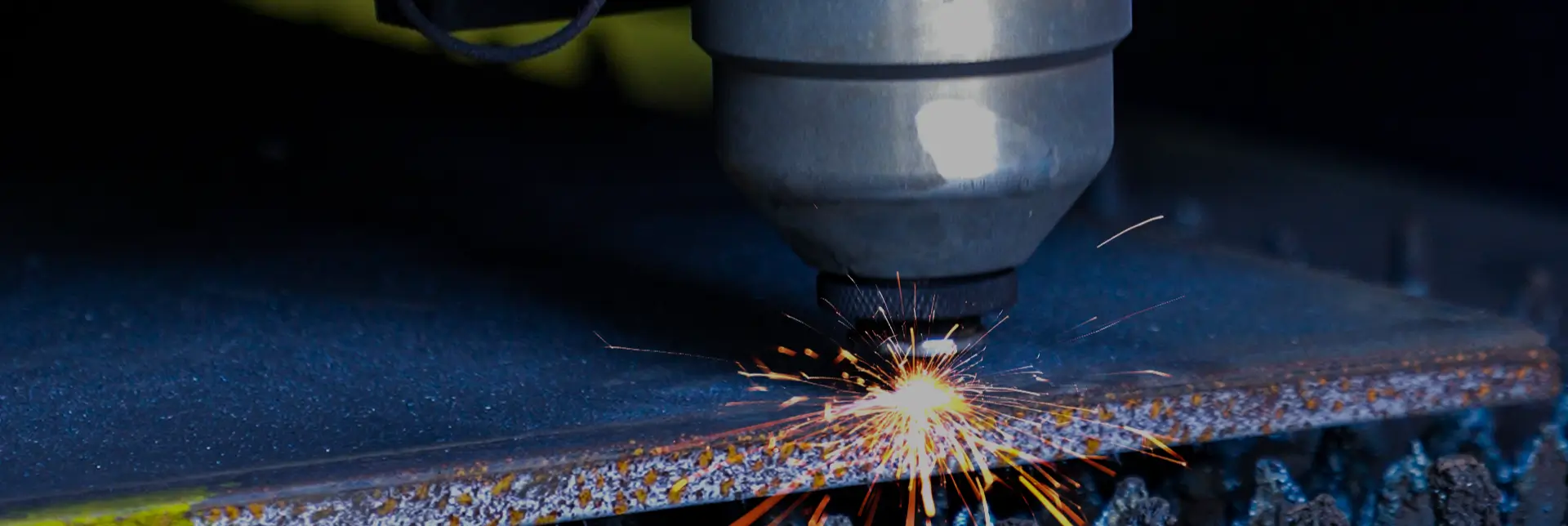
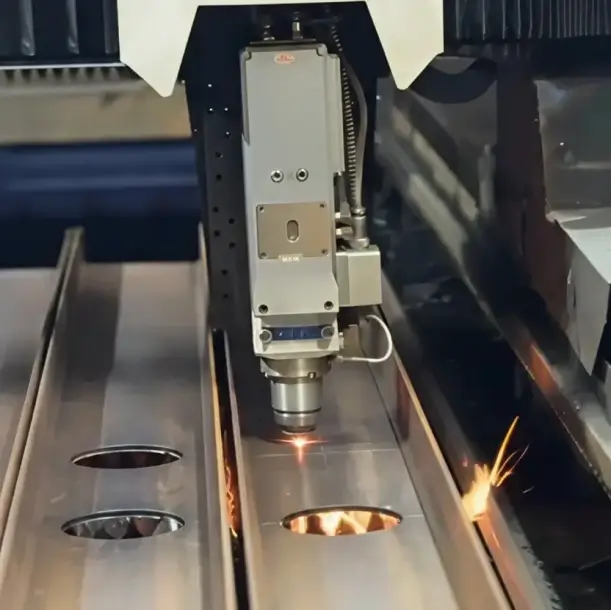
The metal plate is mounted on the machine’s cutting table. The operator calibrates the machine parameters with reference to the cutting plan. The process is activated and the thermal cut is generated.
Service details
Is a thermal process that uses a high-powered laser beam to cut or engrave materials. The beam, focused on a specific point, raises the temperature of the material until it melts, burns, or vaporizes, allowing a gas (such as nitrogen or oxygen) to expel the melted or vaporized material, leaving a clean and precise edge. This process is controlled by CNC (Computer Numerical Control) systems and allows complex shapes and designs to be created in a wide variety of materials, from metals to wood and plastic.
SPECIALIZED WELDING
General description
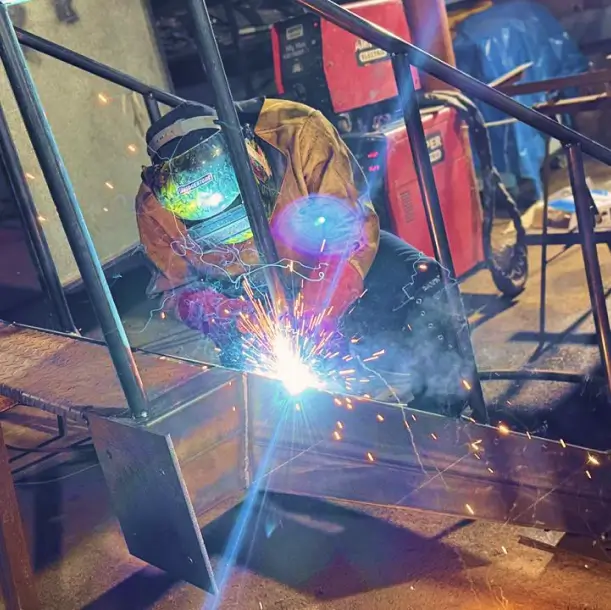
For light structures, the MIG process is ideal due to its precision, low spatter, and high speed, and is commonly used in the automotive industry and light manufacturing. In medium structures, the MAG process is used for its good penetration and ability to work continuously with carbon steels. In heavy applications, such as shipbuilding or metal structures, the FCAW process offers high deposition rates and excellent performance in difficult conditions, while SMAW is widely used in the field and for repairs due to its versatility and portability. To ensure the quality and safety of welded joints, it is essential that welders are qualified under recognized standards, which ensures their competence in materials, welding positions, and specific process parameters.
Service details
SMAW (stick welding) is a manual process ideal for field work due to its portability and lack of external gas requirements. MIG uses a continuous wire and inert gas, making it suitable for non-ferrous materials such as aluminum. MAG, similar to MIG, uses active gas, making it more effective on carbon and low-alloy steels. FCAW uses a flux-cored wire, with or without external gas, offering high productivity and good penetration, especially in heavy structures and adverse conditions.
INDUSTRIAL DESIGN
General description
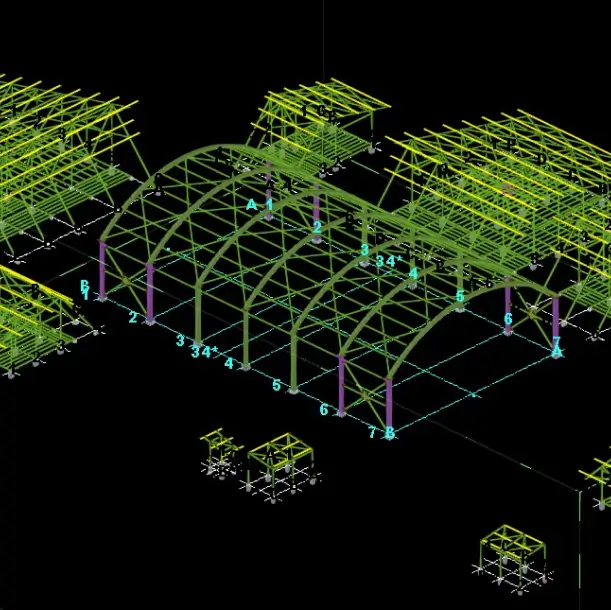
We receive the customer’s requirements and specifications, which leads to the creation of detailed models and technical drawings in order to capture the specifications, with the aim of creating mass-produced products and innovative experiences.
Service details
This discipline combines creativity, technology, functionality, form, and aesthetics to develop objects that are attractive and useful, ranging from furniture to structures for large-scale projects.